EPA moves to eliminate ‘costly’ power plant mandates, acting to secure energy independence and limit regulatory overreach
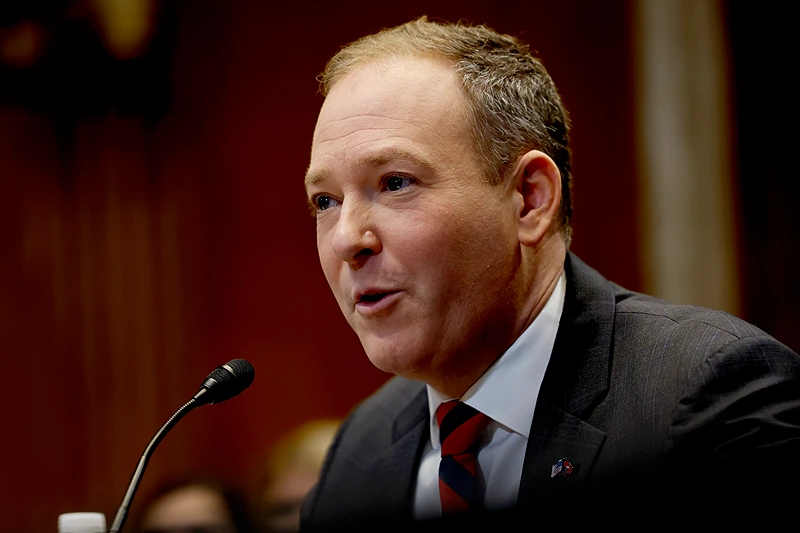
WASHINGTON, DC – JANUARY 16: Lee Zeldin, Administrator of the Environmental Protection Agency. (Photo by Anna Moneymaker/Getty Images)
OAN Staff Lillian Mann 6:00 PM – Monday, September 14, 2026
The Environmental Protection Agency (EPA) has moved to eliminate rules that limit greenhouse gas emissions from coal and natural gas power plants, while also taking steps to block future administrations from reinstating such regulations.
When it proposed scrapping the regulations last year, the Trump administration estimated that by 2035, the rollback would release an extra 123 million metric tons of carbon dioxide annually — the equivalent of adding 28.7 million gas-powered cars to the road.
Defending the complete dismantling of the rules, EPA Assistant Administrator Aaron Szabo told legacy media reporters that the move will allow power companies to make operational decisions based on cost savings and grid reliability rather than being forced to close plants.
Ultimately, Szabo said that the moves would allow “American families and businesses experience lower electricity costs, thanks to an increased power supply.”
Today marks Day 1 of the G20’s Energy Abundance Ministerial, where the United States will be hosting the top energy producers from around the world to advance energy security and find avenues to secure economic growth. @EPA’s Usha Turner details how the Trump EPA will be at the… pic.twitter.com/qFEH235ZWB
Building on Monday’s rule, the EPA also issued a companion proposal declaring that the Clean Air Act lacks the statutory authority for the agency to regulate power plant emissions linked to climate change — meaning the government will not have the legal power to limit pollution from power plants to fight global warming, even if a future president aims to do so.
Driven by concerns over high electricity demand and soaring power prices, the EPA’s decisions build on previous findings that axing power plant climate rules could lower electricity prices. Citing these benefits, the agency announced that the final rule is projected to save industry over $300 billion.
The move was met with significant backlash, as scientists and doctors argue that while electric bills are expected to lower with the decision, letting more pollution into the air can make people sick—especially with breathing problems like asthma—and makes global warming worse.
Meanwhile, supporters have also highlighted that the move will make electricity bills much cheaper and create more jobs for Americans. Despite this, efforts by any presidential administration to repeal major environmental regulations, such as limits on power plant greenhouse gas emissions, routinely face an uphill battle in the federal court system.
Environmental coalitions and coalitions of states almost immediately file lawsuits and seek judicial injunctions, arguing that the rollbacks violate federal statutes or lack adequate scientific justification.
Stay informed! Receive breaking news alerts directly to your inbox for free. Subscribe here. https://www.oann.com/alerts
To provide the best experiences, we use technologies like cookies to store and/or access device information. Consenting to these technologies will allow us to process data such as browsing behavior or unique IDs on this site. Not consenting or withdrawing consent, may adversely affect certain features and functions.
Functional
Always active
The technical storage or access is strictly necessary for the legitimate purpose of enabling the use of a specific service explicitly requested by the subscriber or user, or for the sole purpose of carrying out the transmission of a communication over an electronic communications network.
Preferences
The technical storage or access is necessary for the legitimate purpose of storing preferences that are not requested by the subscriber or user.
Statistics
The technical storage or access that is used exclusively for statistical purposes.The technical storage or access that is used exclusively for anonymous statistical purposes. Without a subpoena, voluntary compliance on the part of your Internet Service Provider, or additional records from a third party, information stored or retrieved for this purpose alone cannot usually be used to identify you.
Marketing
The technical storage or access is required to create user profiles to send advertising, or to track the user on a website or across several websites for similar marketing purposes.